Continuing from the previous installment and the vision of the 17th-century Moravian educator and bishop John Amos Komensky. Recall that shortly before these mystical experiences Komensky lost his wife and children while fleeing war. We can be sure that, as Frank Laubach expressed it, Komensky had “the heart of his heart cut by suffering.” This passage continues his vision of Jesus Christ.
…Then He, seeing me overwhelmed with joy, spoke further to me: “Where, then, have you been, my son? Why have you tarried so long? By what path have you come? What have you sought in the world? Joy! Where could you see it but in God;
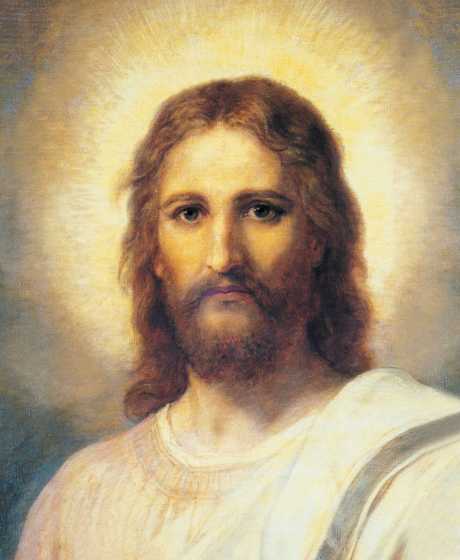
and where could you seek God, but in His own temple, and what is the temple of the living God, but the living temple that He Himself has fashioned—your own heart? I saw, my son, that you went astray, but I want to see it no longer. I have brought you to your own self. I have led you into yourself. For here have I chosen my palace and my dwelling. If you want to dwell with me here, you will find here what you have vainly sought on earth: rest, comfort, glory, and abundance of all things. This I promise you, my son, that you will not be deceived here as you were there in the world.”
Christ’s words to Komensky confirm a concept often repeated in the New Testament letters, “Christ in you” (e.g., Col. 1:17). And it confirms many Old Testament verses too. That is because it may well be said that the entire aim of God as recounted in the Bible is to once again bring human beings into fellowship with Himself as it was—and perhaps even better than it was—before the Fall.

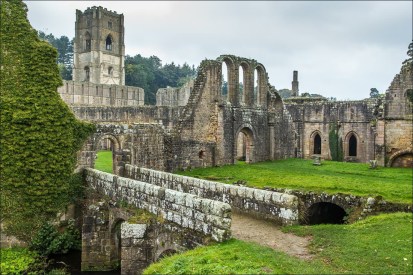 We dismissed the taxi at the gates, walked by frost-whitened paths between silvery evergreens, then down towards the roar of the Skell [river] and the dim lovely ruins.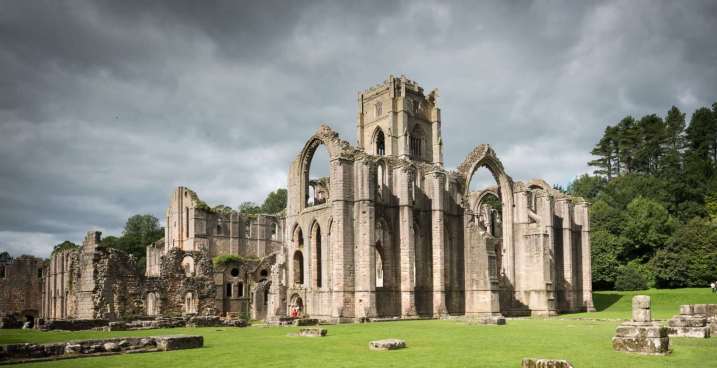
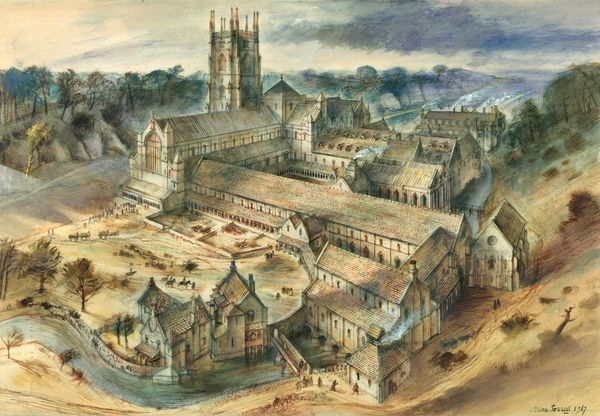



 The last light died out on the grey-green woods. I sat on, on the rocks. It was time. Was it time? And suddenly I knew that if I did this thing, I should be making an unbreakable link between myself and all the evil in the world. It came over me, blindingly, for the first time in my life, that suicide was a wrong act, was indeed “mortal sin.” In that moment, God stopped me. I did not want my life, but I knew I was suddenly forbidden by something outside myself to let it go.
 Mystical Wonder